
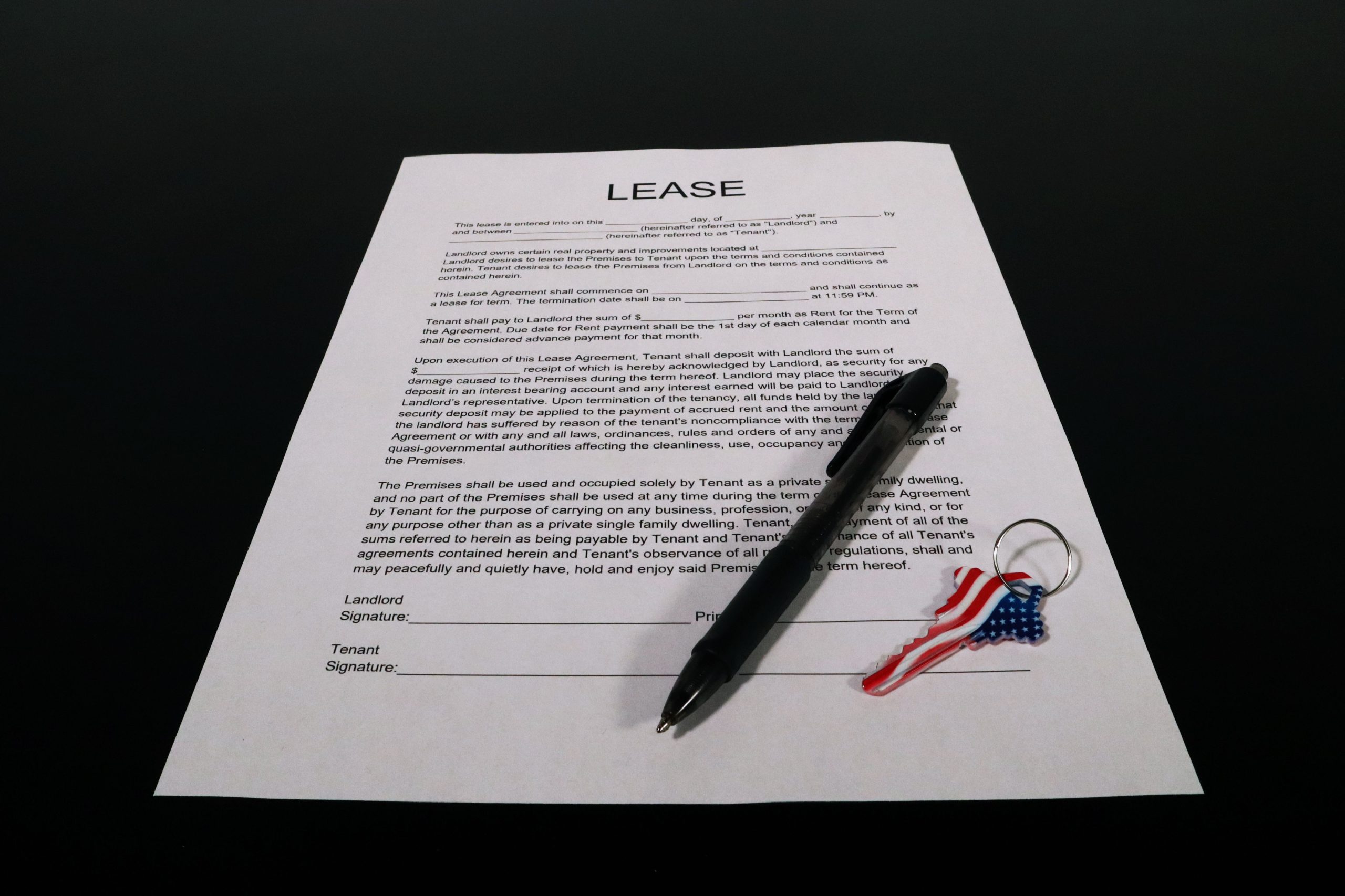
Why so many block-management questions start with the same answer: “What does the lease say?”
If you own a leasehold apartment, there is one document that affects far more of the day-to-day management of your development than you might realise:
your lease.
It is common for leaseholders to contact their managing agent with what appears to be a straightforward question:
Who is responsible for repairing my windows?
Can I replace my apartment entrance door?
Who pays for repairs to the roof?
Can I alter my balcony?
Why do I pay a different proportion of the service charge from another apartment?
Can the management company collect money towards future major works?
Surely there must be a standard answer?
Very often, there isn’t.
The answer may depend upon the wording of the individual lease.
What does a lease actually do?
A residential lease is much more than the document that gave you the right to occupy your apartment when you purchased it.
It is a legally binding agreement which continues to govern the relationship between the relevant parties throughout the term of the lease.
Among other things, a lease may establish:
- what forms part of the individual apartment;
- what constitutes the common parts;
- who is responsible for repairing and maintaining different parts of the building;
- which costs can be recovered through the service charge;
- how those costs are divided between leaseholders;
- whether a reserve or sinking fund can be collected;
- what alterations require consent;
- rights over parking spaces, gardens and accessways; and
- restrictions affecting the use of the property.
This is why understanding the lease is such an important part of managing a residential development.
Two similar buildings can have completely different leases
This is something that can cause considerable confusion.
Two apartment developments could be next door to each other, look almost identical and have entirely different arrangements for repairs and service charges.
At one development, windows may form part of the individual apartment and be the leaseholder’s repairing responsibility.
At another, some or all elements may fall within the landlord or management company’s repairing obligations, with the cost recoverable through the service charge.
Neither arrangement is automatically right or wrong.
The starting point is the wording of the relevant lease.
That is also why something a friend has been told by their managing agent at another development may not necessarily apply to your own property.
“But that doesn’t seem fair”
This is another situation managing agents encounter regularly.
Suppose one apartment pays a larger percentage of the service charge than another.
It may seem fairer simply to divide the expenditure equally between every apartment.
But if the leases specify particular percentages or another method of apportionment, a managing agent cannot simply replace that arrangement with one that appears fairer.
The same principle can arise with repairs.
Something may intuitively feel as though it should be the individual owner’s responsibility – or alternatively something everyone should pay towards – but the lease may say otherwise.
A managing agent’s role isn’t to rewrite the lease according to what seems fairest at the time.
We have to understand and work within the legal framework governing the development.
Alterations are another common source of confusion
Owning a leasehold apartment doesn’t necessarily mean you can alter every part of it without reference to anybody else.
Depending upon the lease, consent may be required before carrying out particular alterations.
This can become especially important where proposed work affects the external appearance or fabric of the building, communal areas or matters such as windows and apartment entrance doors.
There may also be other requirements to consider, including building regulations, planning requirements and fire or structural safety.
So before undertaking significant alterations, it is sensible to establish what the lease requires first.
The lease also matters when preparing service charges
A managing agent cannot simply decide what expenditure should be included within a service charge.
The lease provides the contractual basis for the service charge and will normally set out the types of expenditure that can be recovered.
It may also specify how expenditure is apportioned and whether money can be collected towards future expenditure through a reserve or sinking fund.
This is particularly important when planning major works.
Building up reserves can be very sensible financial planning, but the ability to collect those contributions must still be considered within the terms of the relevant lease.
The lease doesn’t exist in isolation
There is an important qualification.
The lease is a fundamental document, but it is not the only source of rights and obligations affecting a leasehold development.
Legislation can provide additional rights and responsibilities, including statutory requirements concerning service charges, consultation and other aspects of residential leasehold management.
The management company may also have Articles of Association governing how the company itself operates.
And there may be other relevant legal documents associated with a particular development.
Where lease wording is unclear, disputed or requires legal interpretation, specialist advice from an appropriately qualified solicitor may be necessary.
Why does your managing agent keep asking for the lease?
Sometimes an owner wants a simple yes or no answer and may wonder why the managing agent needs to check documents first.
Usually, it is because giving a quick answer without checking the legal position would be poor management.
If you ask:
“Who is responsible for this repair?”
the answer shouldn’t be based on what usually happens elsewhere.
If you ask:
“Can I make this alteration?”
the answer shouldn’t simply be based on whether the proposed work seems reasonable.
And if directors ask:
“Can we charge this through the service charge?”
the answer shouldn’t be based purely on whether everyone agrees that it would be sensible.
The relevant documents need to be considered.
Plain English matters too
Leases are not always easy documents to read.
Many contain terminology and drafting styles that are unfamiliar to people who do not deal with them regularly, and older leases can be particularly difficult to follow.
At Prestige Property Management (NW) Ltd, our approach is to explain management matters as clearly as possible and help directors and leaseholders understand how the provisions of their development affect its day-to-day management.
Where a matter requires formal legal interpretation or specialist advice, we will recommend that the appropriate professional is consulted.
Understanding the difference is important.
Your lease doesn’t stop mattering when you buy your apartment
For many owners, the lease is something they see during the conveyancing process and then rarely look at again.
But in a leasehold development, it remains one of the most important documents governing how the building is managed.
It affects responsibilities.
It affects expenditure.
It affects alterations.
It affects rights.
And it can explain why the arrangements at your development are different from the block down the road.
So when a block-management question begins with:
“Who is responsible?”
“Can we do this?”
or
“Who should pay?”
there is a very good reason why the first response is often:
What does the lease say?
This article provides general information about residential leasehold management and should not be regarded as legal advice. The position will depend upon the terms of the relevant lease and the individual circumstances.