Advice & Insights

Checking Your Apartment Fire Door: A Simple Guide for Residents

Checking Your Apartment Fire Door: A Simple Guide for Residents

Checking Your Apartment Fire Door: A Simple Guide for Residents

Your apartment entrance door may look like any other front door, but in many apartment buildings it is also an important part of the building’s fire safety measures.

A suitable fire-resisting entrance door can help prevent fire and smoke spreading from an apartment into communal corridors, stairways and escape routes.

Formal fire door inspections should be undertaken by an appropriately competent person where required, but residents can also keep an eye on their own entrance door and report anything that doesn’t look right.

Who is responsible for your apartment fire door?

This is an important question because responsibility can differ from one development to another.

In some buildings, responsibility for apartment entrance doors may rest with the landlord, management company or RTM company.

In other developments, the entrance door forms part of the individual apartment owner’s demise under the lease. In those circumstances, the leaseholder may be responsible for maintaining, repairing and, where necessary, replacing their own fire door.

The lease should therefore be checked before assuming who is responsible for the door or for the cost of any necessary work.

However, even where an apartment entrance door is the leaseholder’s responsibility, it can still form an important part of the overall fire safety arrangements for the building.

This means owners should not make alterations to a fire door simply because the door belongs to them.

Important: Responsibility for apartment entrance doors is not the same at every development. The lease should always be checked before assuming responsibility rests with the management company or the individual apartment owner.

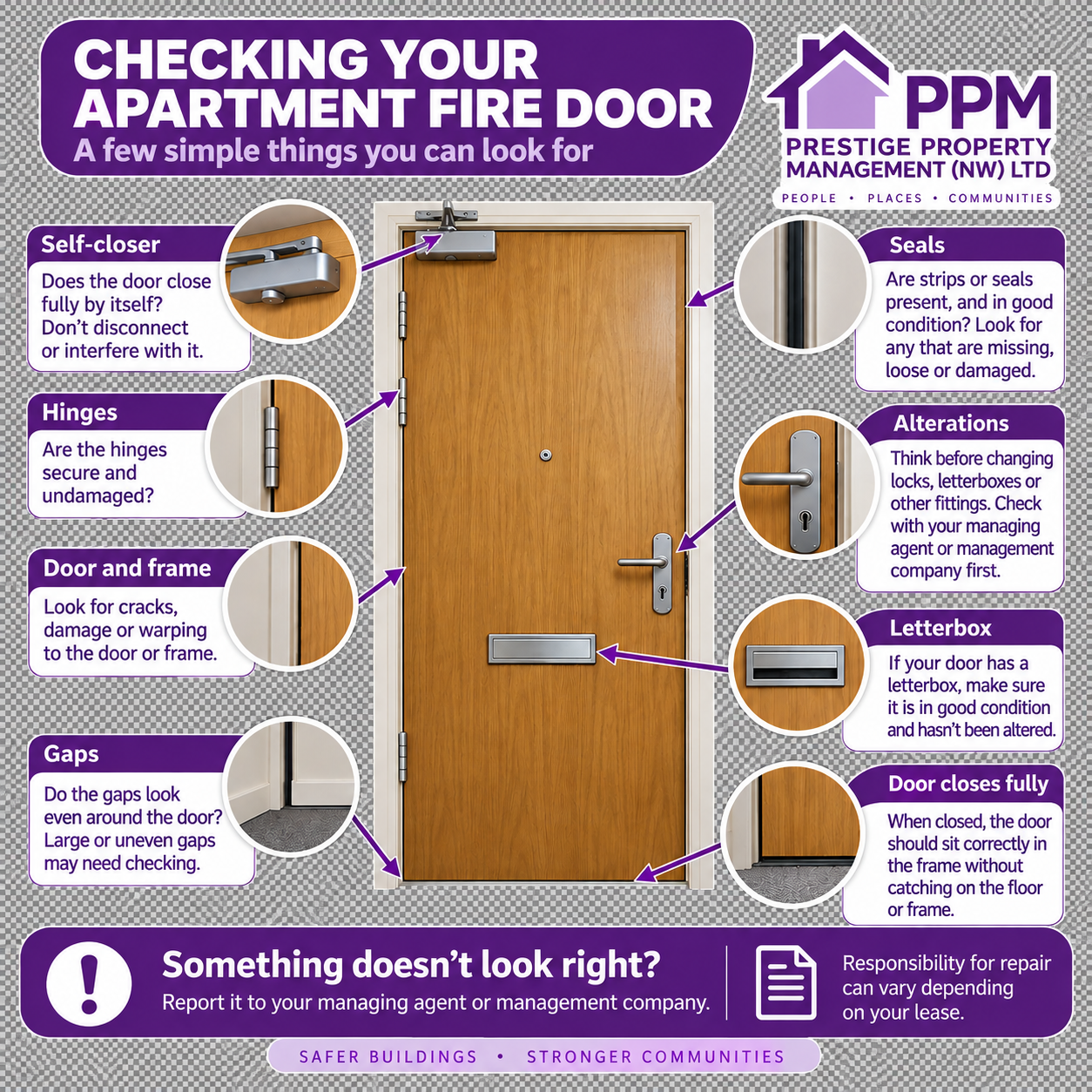
1. Does your door close properly?

If your apartment entrance door has a self-closing device, try opening the door and allowing it to close by itself.

It should close fully into the frame without needing to be pushed or pulled shut.

Look out for a door that:

stops before it reaches the frame;
catches on the floor;
sticks against the frame;
doesn’t engage properly when it closes; or
has a self-closing device that appears damaged or disconnected.

A fire door that doesn’t close properly may not be able to perform as intended in the event of a fire.

2. Look at the condition of the door and frame

You don’t need to be a fire door specialist to notice obvious damage.

Take a look at the door, frame and surrounding components and watch for:

cracks, splits or holes;
damage to the door frame;
loose or damaged hinges;
damaged glazing;
a door that appears warped;
areas where locks or fittings have been removed or altered; or
anything else that looks noticeably different or damaged.

If you’re concerned, report it rather than attempting to repair it yourself.

3. Look at the gaps around the door

Close the door and look around the top and sides.

The gaps should appear relatively even. Large or noticeably uneven gaps can be a sign that the door needs further investigation.

Also look at the bottom of the door. It needs to be able to close freely without catching, but an excessive gap may also need to be assessed.

Residents aren’t expected to carry out technical measurements or decide whether a fire door is compliant. If something looks wrong, report it.

4. Check the seals

Depending on the type and age of the fire door, you may see strips or seals fitted around the edge of the door or within the frame.

Look for anything that is:

missing;
loose;
damaged;
torn;
coming away from the door or frame; or
heavily covered with paint.

Don’t remove, cut or replace seals yourself unless the appropriate specification has been established.

It is also important not to assume that an older door is automatically defective simply because it doesn’t look like a modern fire door. If there is uncertainty about its suitability, it should be professionally assessed.

5. Don’t disconnect the self-closer

A self-closing device can be inconvenient when you’re carrying shopping through the door, but it performs an important function.

If the door is intended to self-close, don’t disconnect, remove or interfere with the closing device.

And don’t wedge a fire door open.

If the closer is excessively heavy, slams the door, doesn’t close it properly or appears faulty, report the problem rather than adjusting it yourself.

6. Think before changing locks or fittings

Even relatively small alterations can potentially affect a fire door.

Before drilling into or altering your apartment entrance door, check whether permission or a particular specification is required.

This can include fitting or changing:

locks;
letterboxes;
door viewers;
glazing;
security devices;
smart locks;
chains or additional door furniture.

If you’re unsure, ask before carrying out the work.

7. Don’t simply replace your front door

If you’re refurbishing your apartment, you might be tempted to replace the entrance door because you prefer a different design.

An apartment entrance fire door is not the same as an ordinary internal door.

The replacement may need to meet particular fire-resistance and smoke-control requirements, and your lease may require consent before the door can be changed.

Always check with your managing agent, management company or landlord before ordering or replacing an apartment entrance door.

What if the fire door is the apartment owner’s responsibility?

If your lease makes you responsible for the entrance door, that doesn’t mean concerns about its fire performance can simply be ignored.

You may be responsible for arranging and paying for appropriate repairs or replacement.

Where work is required, it is important to establish what specification is needed before instructing a contractor. Depending on the circumstances, the management company or managing agent may also require information about the proposed works before they are carried out.

Something doesn’t look right? Report it.

Contact your managing agent, landlord or management company if your apartment entrance door:

isn’t closing properly;
has obvious damage;
has a faulty or damaged self-closer;
is catching on the floor or frame;
has noticeably large or uneven gaps;
has damaged or missing seals;
appears to have been altered; or
simply gives you cause for concern.

They can then establish the appropriate next step and, where necessary, check who is responsible under the lease for arranging and paying for any remedial work.

Fire safety is a shared responsibility

Residents aren’t expected to become fire door inspectors.

However, you see and use your apartment entrance door every day. Spotting a problem and reporting it promptly can help ensure that defects are investigated rather than remaining unnoticed until the next formal inspection.

If Prestige Property Management (NW) Ltd manages your development and you have concerns about your apartment entrance fire door, please report them to our team. We can review the management arrangements and relevant lease provisions and advise on the appropriate next step, including whether responsibility for the door rests with the individual apartment owner.

Posted by PPM North Wales in Advice & Insights
Changing Block Managing Agent | RMC & RTM Guide | North Wales

Changing Block Managing Agent | RMC & RTM Guide | North Wales

Thinking of Changing Your Block Managing Agent? A Guide for RMC and RTM Directors

Changing managing agent can feel like a significant decision, particularly when you are a volunteer director of a Residents’ Management Company (RMC) or Right to Manage (RTM) company.

Perhaps communication has become difficult, maintenance is not being followed up, accounts are unclear, or directors simply feel that their development would benefit from a more proactive and locally based managing agent.

Whatever the reason, changing managing agent does not necessarily need to be complicated. The important thing is to understand who has authority to appoint the agent, what your current agreement says, and how the handover will be managed.

Who appoints the managing agent?

This depends on the legal structure of your development.

Where an RMC has responsibility for management under the leases, the company will normally appoint the managing agent through its directors, subject to the company’s Articles of Association and any relevant provisions within the leases.

For an RTM company that has successfully acquired the Right to Manage, the RTM company is responsible for exercising the relevant management functions and can appoint a professional managing agent to carry these out on its behalf.

Before making any change, directors should therefore check the lease, Articles of Association and current management agreement.

Check your existing management agreement

One of the first things to establish is the notice required to terminate your existing managing agent.

Your management agreement should set out matters such as:

the length of the appointment;
the required notice period;
how notice must be served;
any termination provisions; and
the responsibilities of the outgoing agent when the appointment ends.

Don’t assume that appointing a new managing agent automatically terminates the existing agreement. The existing contract needs to be dealt with correctly.

Choosing a new managing agent

Price is important, but it should not be the only consideration.

Directors are entrusting the agent with the day-to-day management of their development and potentially substantial amounts of service-charge money.

Ask prospective agents about their experience with developments similar to yours and exactly what is included within their management fee.

You may also want to establish:

Who will actually manage your development?
How frequently will it be inspected?
How are maintenance issues tracked?
How are contractors selected and monitored?
How are service-charge arrears handled?
What financial information will directors receive?
How does the agent communicate with residents?
How are fire safety and other compliance requirements monitored?
Is there an additional charge for major works, insurance claims or company-secretarial work?

A low headline management fee can look attractive, but directors should understand the overall service and any additional charges before comparing proposals.

What happens to the service-charge money?

Service-charge funds belong to the service-charge fund rather than to the managing agent.

When management changes, arrangements need to be made for the transfer of relevant client funds and financial records to the appropriate new client account.

There may also be outstanding invoices, year-end accounts, arrears and transactions that span the handover date, so good communication between the incoming and outgoing agents is important.

What information needs to be handed over?

A managing agent can accumulate a considerable amount of information about a development.

A proper handover may include:

leases and legal documents;
owner and resident information;
service-charge accounts and financial records;
bank and client-account information;
details of arrears and payment arrangements;
insurance policies and claims information;
contractor details and existing contracts;
fire risk assessments and fire-safety records;
health and safety documentation;
asbestos information where applicable;
lift, gate and other equipment records;
warranties and guarantees;
Section 20 consultation documents;
details of ongoing repairs and major works;
keys, access codes and site information; and
company records where company-secretarial services have been provided.

For larger or more complicated developments, the handover can take time. It is therefore worth planning the change properly rather than leaving everything until the final day.

Communicating with owners

Once the appointment has been confirmed, owners should be told when the new managing agent will take over and how to contact them.

They may also need new payment details, access to a new resident portal and information about how existing standing orders or Direct Debits will be dealt with.

Clear communication at this stage can prevent unnecessary confusion and missed service-charge payments.

What if your RMC currently self-manages?

Some smaller RMCs successfully manage their developments themselves for many years.

However, as buildings age and regulation, compliance and major maintenance requirements increase, the workload placed on volunteer directors can become substantial.

Appointing a professional managing agent does not mean that the directors lose control.

The directors continue to make the important decisions for the company. The managing agent carries out the professional day-to-day administration and implements the decisions made by the board within the scope of its appointment.

A local managing agent can make a difference

Block management is very hands-on.

Having a managing agent that knows the development, regularly visits the site and has established relationships with local contractors and professional advisers can be particularly valuable when something goes wrong.

At Prestige Property Management (NW) Ltd, we are an independent North Wales block and estate management company with around 13 years’ experience managing residential developments across the region.

We work with both RMC and RTM companies, supporting directors with service-charge administration, maintenance, contractor management, compliance, major works, resident communication and the day-to-day management of their developments.

Considering changing managing agent?

If your RMC or RTM company is considering a change, you do not need to have made a final decision before speaking to another managing agent.

An initial conversation can help directors understand what information will be needed, what the management service could look like and how a potential handover could be approached.

Prestige Property Management (NW) Ltd
Independent Block & Estate Management across North Wales
01492 550399

Posted by PPM North Wales in Advice & Insights
Residential Block Management in Rhos-on-Sea

Residential Block Management in Rhos-on-Sea

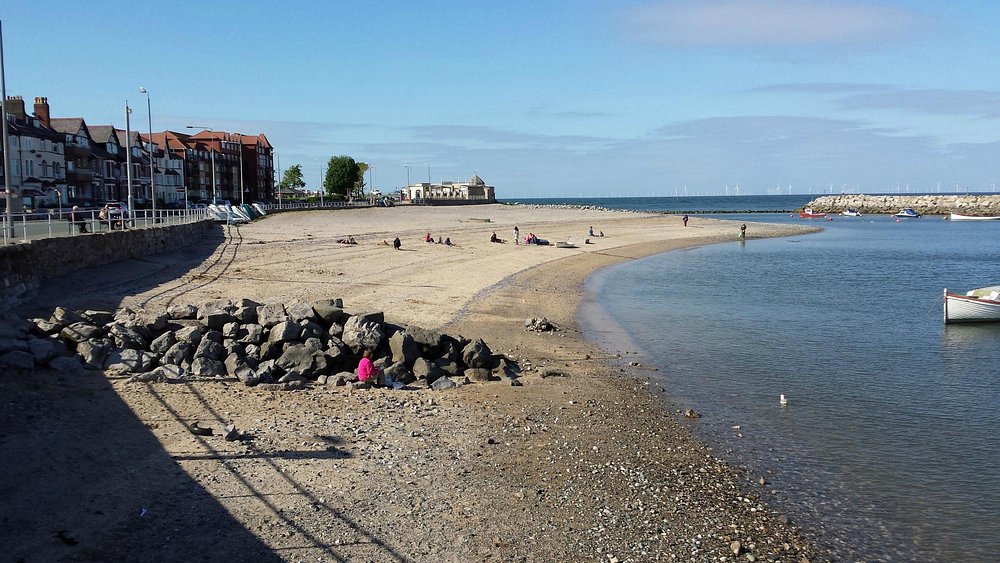
Rhos-on-Sea has a wide range of apartment buildings and residential developments, many of which rely on effective management of communal areas, maintenance, service charges and longer-term major works.

Prestige Property Management (NW) Ltd provides professional residential block management in Rhos-on-Sea and the surrounding Conwy area, working with Residents’ Management Companies (RMCs), Right to Manage (RTM) companies, freeholders and residential developments.

From our permanent staffed office in Conwy, our property managers work across Rhos-on-Sea, Colwyn Bay, Llandudno and the wider North Wales area, providing practical, hands-on management and regular attendance at the developments we manage.

What does a block managing agent do?

Good block management involves considerably more than collecting service charges.

The managing agent is responsible for coordinating many of the day-to-day and longer-term requirements of a residential development on behalf of the client. Depending on the individual development and its lease or transfer documents, this can include:

  • Service charge budgeting and financial administration
  • Collection of service charges and management of arrears
  • Regular development inspections
  • Communal repairs and planned maintenance
  • Obtaining quotations and managing contractors
  • Major works and Section 20 consultation
  • Building insurance administration
  • Health, safety and fire compliance coordination
  • Liaising with residents, directors and professional advisers
  • Preparing for and attending directors’ meetings and AGMs

Every development is different, which is why we believe management should reflect the requirements of the individual property rather than relying on a one-size-fits-all approach.

Local block management matters

Having a managing agent who knows the local area can make a significant difference to the day-to-day management of a development.

PPM is based locally in Conwy, with a permanent staffed office and property managers working throughout the area.

For the developments we manage in and around Rhos-on-Sea, this means we can attend sites personally, meet directors and residents where required, inspect maintenance issues and work with established local contractors and specialist professionals.

It also means our clients know who is managing their development and how to contact us.

Managing repairs and maintenance

One of the most visible aspects of block management is dealing with repairs and maintenance to communal areas.

Our role is not simply to pass a problem to a contractor. Where appropriate, we assess the issue, establish responsibility under the relevant lease or transfer, obtain quotations, liaise with directors and residents, instruct suitable contractors and follow the works through to completion.

Where specialist expertise is required, we work with appropriately qualified professionals such as surveyors, engineers, fire safety specialists and solicitors rather than attempting to provide advice outside the managing agent’s professional role.

This approach is particularly important when dealing with significant building defects, major works or compliance matters.

Service charges and long-term planning

A well-managed development needs to consider not only today’s expenditure but also what is likely to be required in the years ahead.

PPM prepares service charge budgets based on the requirements of each development and works with directors to identify forthcoming maintenance and major expenditure.

Where a development has a reserve or sinking fund, longer-term planning can help directors consider future works and reduce the likelihood of unexpected expenditure.

Clear financial reporting also allows directors to understand how service charge funds are being used and what commitments are likely to arise.

Major works and Section 20

Residential developments will periodically require significant works such as external redecoration, roofing, structural repairs or other major maintenance.

Where the statutory thresholds are met, consultation under Section 20 of the Landlord and Tenant Act 1985 may be required before qualifying works or qualifying long-term agreements proceed.

PPM assists the developments we manage with the administration and coordination of major works, including obtaining appropriate professional input where required, tendering, leaseholder communication, Section 20 consultation and contractor coordination.

Thinking of changing managing agent?

Changing managing agent can seem daunting, particularly where a development has been managed by the same company for many years.

Directors may begin considering a change because of poor communication, lack of regular site attendance, unresolved maintenance, concerns over service charge management or simply because the existing arrangement no longer meets the needs of the development.

PPM can speak confidentially with RMC or RTM directors who are considering their options and explain the practical steps involved in changing managing agent.

There is no obligation to proceed, and an initial conversation can often help directors understand what they should consider before making a decision.

Block Management in Rhos-on-Sea and North Wales

Prestige Property Management (NW) Ltd is an independent block management company based in Conwy.

We provide residential block and estate management across Rhos-on-Sea, Colwyn Bay, Llandudno, Conwy and the wider North Wales area, with a focus on professional, accountable and accessible management.

If you are a director of an RMC or RTM company in Rhos-on-Sea and would like to discuss the management of your development, please contact PPM for an informal conversation.

Posted by PPM North Wales in Advice & Insights
Section 20 Major Works: What Leaseholders and Directors Need to Know

Section 20 Major Works: What Leaseholders and Directors Need to Know

What is Section 20?

If you live in or help manage a leasehold development, you may have heard the term “Section 20” when substantial repairs or maintenance are being considered.

Section 20 refers to the consultation requirements contained in the Landlord and Tenant Act 1985. They are designed to give leaseholders information about certain proposed expenditure and an opportunity to comment before the costs are incurred.

In Wales, consultation is generally required where qualifying works will result in any one leaseholder being required to contribute more than £250 through the service charge.

What Sort of Work Can Require Section 20 Consultation?

There is no fixed list of “major works”. The important questions are whether the proposed works are qualifying works and how much each leaseholder will be required to contribute.

Depending on the development and the terms of the lease, examples can include roof repairs or replacement, external decoration, communal doors, drainage works, roads and pathways and other substantial repairs to the building or estate.

The lease should always be checked first. It determines what the landlord or management company is responsible for and whether the cost can be recovered from leaseholders through the service charge.

Why Does the £250 Figure Matter?

A common misunderstanding is that Section 20 applies when the total contract costs more than £250.

It doesn’t.

The relevant test for qualifying works is whether the amount payable by any one leaseholder will exceed £250.

For example, a £4,000 project shared equally between 20 leaseholders would result in a contribution of £200 each and would not cross the £250 threshold on those figures.

But a £4,000 project shared between 10 leaseholders would result in a contribution of £400 each, meaning Section 20 consultation may be required.

The Section 20 Consultation Process

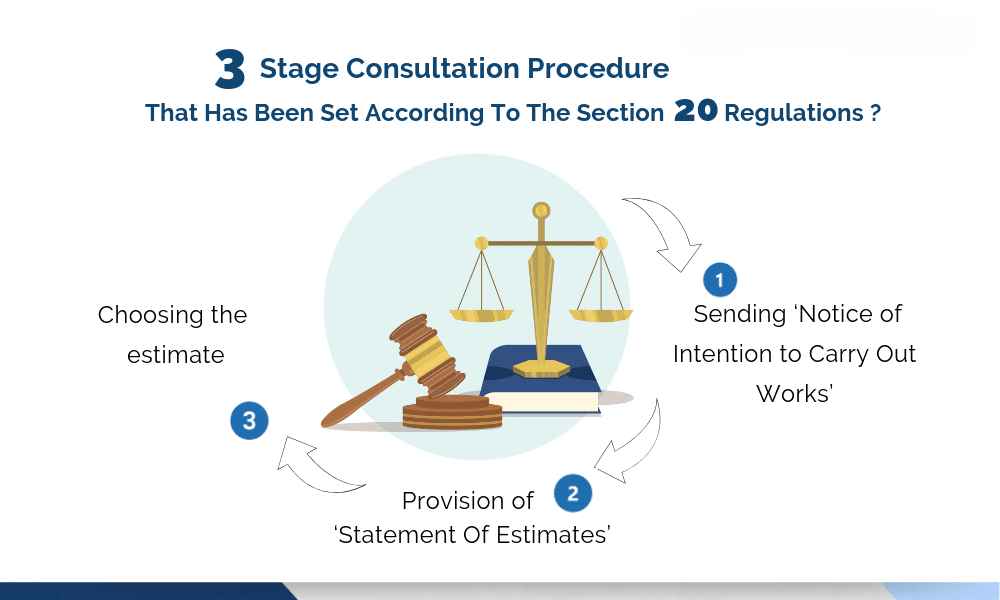
For the usual qualifying-works procedure where a public notice is not required, there are normally two consultation stages before the contractor is appointed.

The first is the Notice of Intention. This explains the proposed works and why they are considered necessary. Leaseholders are given at least 30 days to make written observations and, where the procedure permits, nominate a contractor from whom an estimate should be sought.

The second stage provides information about the estimates obtained. At least two estimates are normally included in the statement, and leaseholders are given a further period of at least 30 days in which to make observations. The landlord must have regard to observations received during the consultation.

There can then be a further Notice of Reasons after the contract is awarded. This is required in certain circumstances, including where the selected contractor did not submit the lowest estimate and was not a leaseholder nominee.

This is why Section 20 consultation cannot normally be completed in a few days.

Does the Cheapest Contractor Have to Be Chosen?

No.

Section 20 does not simply require the management company or landlord to choose the cheapest quotation.

There may be legitimate reasons for selecting another contractor, including the proposed specification, relevant experience, insurance, availability or the contractor’s ability to undertake the particular project.

However, where the selected contractor is neither a leaseholder nominee nor the contractor who provided the lowest estimate, the legislation requires the decision to be explained to leaseholders.

Can Leaseholders Stop the Works?

Section 20 consultation gives leaseholders the opportunity to make observations about the proposed works and, in appropriate circumstances, nominate a contractor.

It does not give individual leaseholders a veto over necessary works.

The landlord or management company must have regard to observations received, but necessary works can still proceed. Leaseholders retain separate rights to challenge matters such as the reasonableness of service charges.

What Happens if Section 20 Is Not Followed?

This can have serious financial consequences.

If consultation was required but the statutory procedure was not followed, recovery is generally limited to £250 from each leaseholder for the qualifying works, unless the landlord obtains dispensation from the relevant tribunal.

That is one reason management companies and directors should identify whether Section 20 applies before instructing substantial works.

There are circumstances where urgent works cannot reasonably wait for the normal consultation process. In appropriate cases, an application can be made to the tribunal for dispensation from some or all of the consultation requirements.

Section 20 Doesn’t Replace the Lease

Section 20 is only part of the picture.

Before major works are undertaken, the lease should be reviewed to establish responsibility for the work, whether the expenditure can be recovered through the service charge and how each leaseholder’s contribution should be calculated.

The existence of a Section 20 consultation does not itself create a right to charge leaseholders for something that the lease does not permit.

Planning Major Works Properly

Good major works management involves considerably more than issuing the statutory notices.

Depending on the project, it may involve preparing a suitable specification, obtaining competitive tenders, appointing surveyors or other professionals, checking contractor insurance and health and safety documentation, communicating with residents and monitoring the works through to completion.

For RMC and RTM directors, planning early is particularly important. Section 20 consultation takes time and should be incorporated into the project timetable rather than treated as something to address immediately before work is due to start.

Posted by PPM North Wales in Advice & Insights
What Does a Managing Agent Actually Do?

What Does a Managing Agent Actually Do?

Introduction

Managing a residential block or estate involves much more than arranging gardening, cleaning and repairs.

A managing agent works on behalf of the management company, RTM company or freeholder to help manage the development in accordance with the lease or transfer documents, relevant legislation and the instructions of those responsible for the management of the property.

Much of this work happens behind the scenes, so it is not always obvious to residents just how many different areas are involved in the day-to-day management of a development.

Service Charges and Budgets

One of the main responsibilities of a managing agent is administering the service charge.

This can include preparing annual budgets, issuing service charge demands, monitoring expenditure, arranging payment of contractors, monitoring arrears and providing financial information to directors.

The agent also needs to understand what expenditure can properly be charged under the lease or transfer and how costs should be apportioned between the properties.

Repairs and Maintenance

Managing agents arrange and coordinate repairs to the parts of the development for which the management company or freeholder is responsible.

This can range from relatively minor repairs to substantial projects involving roofs, external decoration, drainage, roads, communal areas or structural works.

The work often involves obtaining quotations, liaising with contractors, arranging access, checking insurance and health and safety documentation, communicating with residents and monitoring works through to completion.

Major Works and Section 20

Where qualifying works exceed the statutory contribution threshold for an individual leaseholder, consultation requirements under Section 20 of the Landlord and Tenant Act 1985 may apply.

The managing agent will often coordinate the consultation process, obtain estimates, communicate with leaseholders and assist the directors or freeholder throughout the project.

Larger projects may also require input from surveyors, engineers or other specialist consultants.

Fire Safety and Building Compliance

Fire and building safety have become an increasingly significant part of residential block management.

Depending on the building, this can involve coordinating fire risk assessments, fire alarm servicing, emergency lighting, fire doors, compartmentation works and other safety inspections.

A managing agent is not a substitute for a competent fire safety professional, but plays an important role in making sure inspections are arranged, recommendations are reported and necessary works are followed up.

Insurance and Claims

Managing agents will commonly assist with arranging or administering buildings insurance where this falls within their management responsibilities.

When incidents occur, the agent may also help coordinate insurance claims, provide information to insurers and loss adjusters and arrange access for contractors or inspections.

Lease and Property Matters

The lease is central to the management of a leasehold development.

Managing agents regularly deal with questions concerning alterations, parking, pets, subletting, use of communal areas and responsibility for repairs.

They may also provide information when properties are sold and deal with notices, certificates and other administrative requirements connected with a sale.

Where a matter requires legal interpretation or enforcement, specialist legal advice may be required.

Working With Directors

For developments run by a Residents’ Management Company (RMC) or Right to Manage (RTM) company, the managing agent works closely with the directors.

The directors remain responsible for making many of the important decisions affecting the company and development, while the managing agent provides information, recommendations and practical support to help those decisions be implemented.

A good relationship between directors and their managing agent is therefore an important part of effective block management.

Communication With Residents

A considerable part of property management is communication.

Residents may contact their managing agent about repairs, service charges, contractors, parking, insurance, neighbour issues or concerns about the development.

Some matters can be resolved quickly; others require investigation, quotations, professional advice or a decision from the directors.

Keeping residents informed while these matters progress is an important part of the managing agent’s role.

The Work You Don’t Always See

Some of the most important property management work is not particularly visible.

Reviewing leases, checking invoices, monitoring compliance dates, obtaining contractor documentation, chasing quotations, dealing with insurers, preparing budgets and following up outstanding works may all happen without residents seeing the work taking place.

Good block management is therefore not simply about responding when something breaks. It is about continually managing the financial, legal, maintenance and compliance requirements of the development.

Choosing a Managing Agent

When choosing a managing agent, directors should look beyond the headline management fee.

Consider the experience of the people who will actually manage the development, how accessible they are, how compliance and maintenance are monitored, what services are included in the fee and what additional charges may apply.

For developments in North Wales, having a managing agent with local knowledge and established relationships with contractors and professional advisers can also be valuable.

Posted by PPM North Wales in Advice & Insights
Who Is Responsible for Roads, Drains and Open Spaces on a Private Housing Estate?

Who Is Responsible for Roads, Drains and Open Spaces on a Private Housing Estate?

Introduction

On many modern housing developments, responsibility for the roads, drains, landscaped areas and other shared facilities is not always straightforward.

Some parts of an estate may eventually be adopted and maintained by a local authority, water company or other statutory body, while other areas can remain privately managed. The cost of maintaining those private areas may then be recovered from property owners through an estate management charge.

This means that simply knowing a road has been “adopted” does not necessarily tell you who is responsible for every drain, landscaped area or piece of infrastructure around it.

In this guide, we look at how these responsibilities can work on residential developments in Wales and what property owners and management companies should check.

Who Is Responsible for the Roads?

Roads on a residential estate can either be adopted by the local highway authority or remain privately maintained.

Where a road has been adopted, the highway authority will generally be responsible for maintaining the adopted highway. However, the exact extent of the adopted area matters. Private parking areas, access roads, footpaths or other parts of the development may still fall outside the adopted highway.

On developments where roads remain private, responsibility for maintenance will depend on the legal arrangements for the estate. This may sit with a management company, developer or property owners, with the costs recovered through an estate management charge where the relevant documents provide for this.

If responsibility is unclear, the starting point should be the development’s legal documents and the highway adoption records rather than assuming that everything beyond the property boundary belongs to the council.

What About Drains and Drainage?

Drainage can be more complicated because different parts of the drainage system may have different responsibilities.

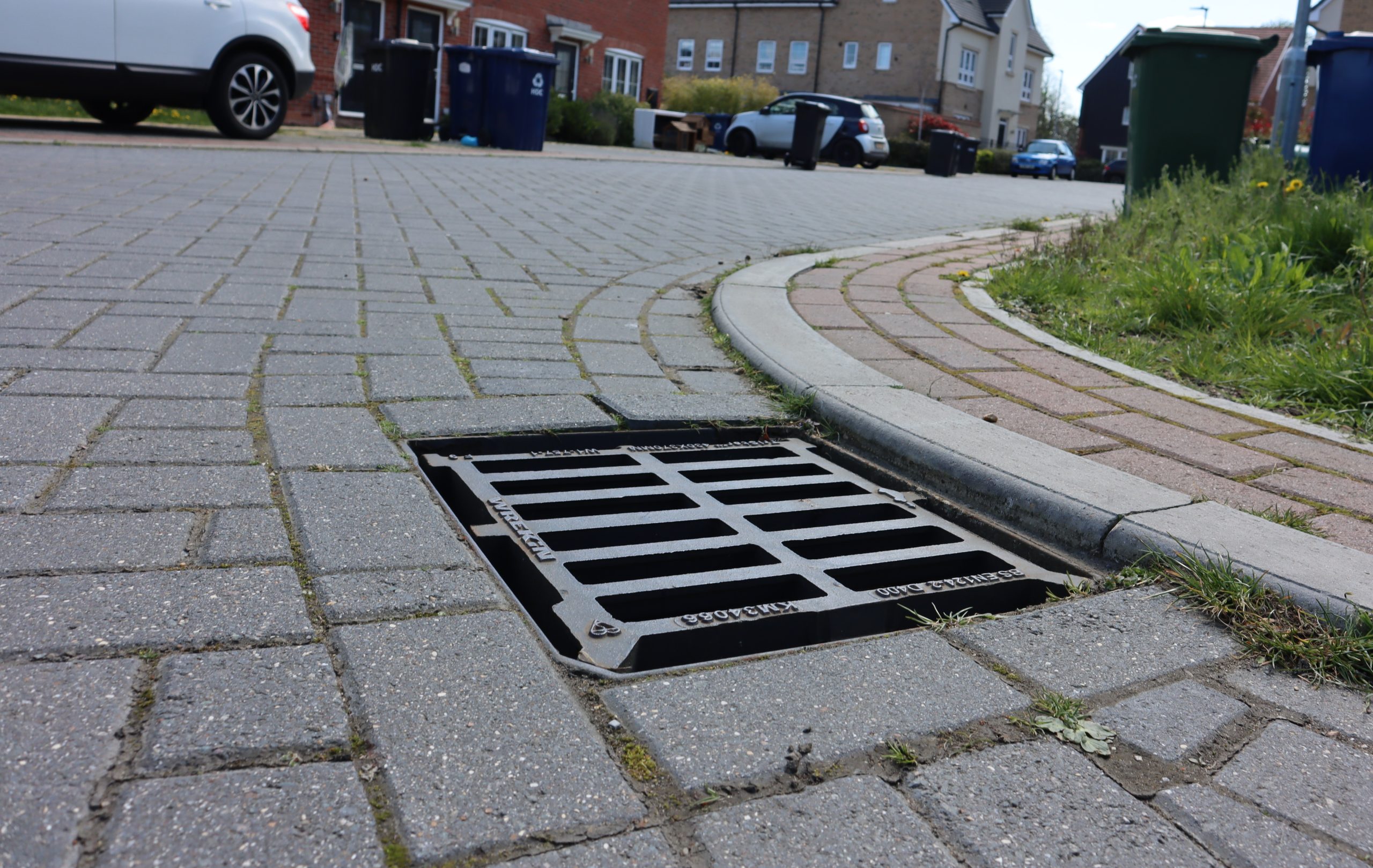
The fact that a road has been adopted does not necessarily mean that every drain serving the development has also been adopted. Highway drainage, public sewers, surface water systems and private drainage serving communal areas can each have different ownership and maintenance arrangements.

Some drainage infrastructure may be the responsibility of the highway authority or the relevant water and sewerage company, while other systems may remain the responsibility of the estate management company or property owners.

Where there is a drainage problem, it is therefore important to establish exactly which part of the system is affected and who is responsible for it before arranging works or assuming that the local authority will deal with it.

Who Maintains the Open Spaces and Communal Areas?

Many residential estates include landscaped areas, grass verges, planted areas, play areas or other communal spaces that are not adopted by the local authority.

These areas may remain privately managed through an estate management company, with property owners contributing towards their maintenance in accordance with the legal arrangements for the development.

The management responsibilities can extend beyond landscaping. Depending on the estate, privately managed areas may also include lighting, paths, boundary features, drainage infrastructure, play equipment and other shared facilities.

This is why two neighbouring developments can have very different management arrangements, even where they appear similar. The responsibilities for each estate need to be established from its own legal and management documentation.

What Does the Estate Management Company Do?

Where communal areas and services remain privately managed, an estate management company may be responsible for arranging their ongoing maintenance and administration.

Depending on the development, this can involve preparing budgets, collecting estate management charges, appointing and managing contractors, arranging inspections, dealing with repairs and planning for future maintenance.

The managing agent’s role is to carry out the day-to-day management on behalf of the management company or client. The precise responsibilities will depend on the legal documents and management arrangements for the individual development.

A well-managed estate should also have clear records showing what is privately maintained, what has been adopted and which organisation is responsible for the different areas and services.

Why Do Property Owners Pay an Estate Management Charge?

Where parts of a residential development remain privately managed, the costs of maintaining those areas need to be funded.

Depending on the legal arrangements for the estate, property owners may be required to contribute towards those costs through an estate management charge. This can cover expenditure such as grounds maintenance, repairs, inspections, communal lighting, drainage maintenance, insurance or other shared services applicable to the development.

The services included and the way costs are divided between properties will depend on the individual estate and its legal documentation. An estate management charge should therefore reflect the responsibilities and services that apply to that particular development rather than being treated as a standard charge that is the same on every estate.

Property owners should be provided with clear information about the charges they are being asked to contribute towards and the services those charges fund.

How Can You Find Out Who Is Responsible?

If responsibility for part of an estate is unclear, it is important to check the relevant records rather than relying on assumptions about what has or has not been adopted.

Depending on the issue, this may involve checking the property’s title documents, transfer or lease, estate plans, management company records, highway adoption information and drainage or sewer records.

The local authority may be able to confirm the extent of an adopted highway, while the relevant water and sewerage company may hold information about adopted drainage infrastructure.

For privately managed areas, the development’s legal documents should help establish the responsibilities of the management company and the contributions required from individual property owners.

Estate Management Across North Wales

PPM North Wales provides professional management for residential estates across North Wales, including developments with privately managed communal areas and shared infrastructure.

From our permanent staffed office in Conwy, we coordinate the day-to-day management of estates, including service charge administration, contractor management, maintenance, site inspections and longer-term planning.

Every development is different, so our starting point is understanding the responsibilities and management arrangements that apply to the individual estate.

Looking for an Estate Managing Agent?

If you’re responsible for a residential estate in North Wales and would like to discuss its management requirements, contact PPM North Wales to find out how we can help.

Posted by PPM North Wales in Advice & Insights